Brain and nervous system
Changes can affect memory, attention, sleep, mood, decision-making and impulse control. Vitamin B1 deficiency and direct neurotoxicity further increase the risk of damage.
Alcohol and the body
Long-term effects neither begin nor end with the liver. Alcohol and the products of its metabolism affect cells, proteins, the brain, circulation, immunity and reward mechanisms that can gradually turn occasional drinking into a cycle that is difficult to break.
From molecule to organ
Most ethanol is broken down in the liver. The first important product of that process is acetaldehyde — a toxic, carcinogenic compound. It is normally converted quickly into less harmful acetate, but with regular or heavy drinking, repeated exposure leaves a mark at cellular level.
This is deliberately simplified. Acetaldehyde can bind to proteins and DNA, altering how they normally work. Alcohol metabolism also promotes the formation of reactive oxygen species. This does not mean that one drink ‘destroys every cell’; rather, repeated exposure increases the burden on repair and inflammatory systems.
A network of connected vessels
Blood carries ethanol throughout the body, and effects in one system can intensify problems in another. Gut inflammation can burden the liver, malnutrition can affect the brain, and problems with sleep and mood can encourage further drinking.
Changes can affect memory, attention, sleep, mood, decision-making and impulse control. Vitamin B1 deficiency and direct neurotoxicity further increase the risk of damage.
The spectrum includes fatty liver, inflammation, fibrosis and cirrhosis. Most ethanol metabolism takes place in the liver, which makes it particularly exposed.
Long-term heavy drinking is linked with high blood pressure, abnormal heart rhythms, weakening of the heart muscle, and a higher risk of stroke and cardiovascular disease.
Alcohol can weaken the immune response and increase susceptibility to some infections. This affects both innate and adaptive immunity.
Irritation of the lining, changes to the microbiome and the intestinal barrier can drive inflammation. The pancreas is vulnerable to painful and sometimes dangerous inflammation.
Alcohol is a Group 1 carcinogen. A causal link has been established for cancers including those of the mouth, throat, larynx, oesophagus, liver, bowel and breast.
The brain learns from repeated exposure
The brain is plastic: it adapts to the regular presence of alcohol. Over time, the reward system may respond less strongly while stress systems respond more strongly. This adaptation helps explain tolerance: more alcohol is needed to achieve a similar effect. At the same time, irritability, anxiety, insomnia, low mood and physical withdrawal symptoms may appear when alcohol is stopped.
Long-term heavy drinking can also affect memory, attention, planning and impulse control. Thiamine, or vitamin B1, deficiency increases the risk of serious neurological disorders, including Wernicke–Korsakoff syndrome. Peripheral nerve damage may cause pain, numbness or weakness in the limbs.
The liver works quietly for a long time
The liver shifts its metabolism towards breaking down alcohol. The energy balance inside cells changes, fat accumulates more readily and compounds that intensify oxidative stress are produced. The earliest stage may be fatty liver, which often causes no clear symptoms. Continued exposure can lead to inflammation, fibrosis, cirrhosis and an increased risk of liver cancer.
Some changes can improve when drinking is reduced or stopped, particularly at earlier stages. Advanced scarring may be irreversible. The absence of pain or the ability to function normally day to day should therefore not be treated as proof that the liver is healthy — its condition is assessed by a clinician using medical history and tests.
Alcohol and cancer
The International Agency for Research on Cancer classifies alcohol as a Group 1 carcinogen — a category describing the certainty of the evidence, not the size of the risk after a single occasion. A confirmed link covers at least seven cancer sites: the mouth, throat, larynx, oesophagus, liver, bowel and breast.
Relevant mechanisms include DNA damage caused by acetaldehyde, oxidative stress, effects on hormones and alcohol's ability to make it easier for tissues to come into contact with other carcinogens. Beer, wine and spirits differ in concentration, but all deliver the same ethanol molecule.
Dependence is a process, not a character flaw
Alcohol can temporarily intensify pleasure and suppress tension.
Stress, irritability, insomnia or anxiety increase after stopping.
The desire for relief takes up more attention and makes a return to drinking easier.
Alcohol use disorder can be mild, moderate or severe. It may involve losing control of the amount, unsuccessful efforts to cut down, spending increasing amounts of life drinking and recovering, continuing despite harm, tolerance and withdrawal symptoms. There is no need to wait for the loss of a job or health before a conversation with a professional becomes worthwhile.
Signals worth pausing over
One signal is not an online diagnosis. It is, however, a good reason to look honestly at your pattern of drinking and discuss it with a doctor, addiction therapist or helpline adviser.
Cheers · evening history
Return to saved sessions and see how often alcohol appears, how much time passes between evenings and whether a pattern is beginning to repeat.
Change is possible
The body has a substantial capacity to recover, although the degree of improvement depends on the type and stage of the changes. Sleep, blood pressure, digestion, mood and some test results may improve after drinking is reduced or stopped. The brain also remains plastic, and treatment for alcohol use disorder may combine talking therapy, social support and medication selected by a clinician.
…
Cheers · Android
Cheers keeps a history of evenings: what, how much and when you drank. You can see how often alcohol appears, how much time passes between sessions and whether a pattern is beginning to repeat. That perspective can make it easier to plan breaks and reduce drinking, although the app does not diagnose dependence or protect the body from alcohol's effects.
Download for AndroidExplore Cheers →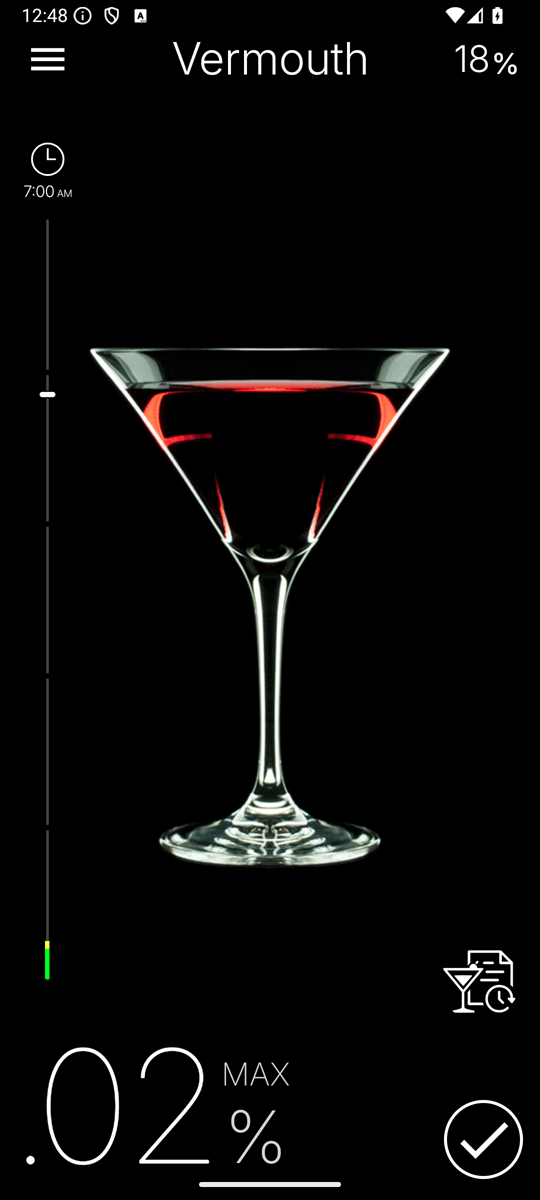

Sources
A global overview of diseases and injuries linked to alcohol, drinking patterns and alcohol use disorders.
Long-term effects on the brain, heart, liver, pancreas, digestive system, immune system and other organs.
How ethanol is metabolised into toxic acetaldehyde and how the process can damage cells and tissues.
Changes in reward, stress and executive-control systems during the development of dependence and recovery.
Evidence linking alcohol to cancer and mechanisms including acetaldehyde, oxidative stress and DNA damage.