The key distinction
Residual alcohol and a hangover can occur together — or separately
Residual alcohol means ethanol is still circulating in the blood. A hangover is a set of symptoms including fatigue, headache, nausea, thirst, poor attention and irritability. Hangover symptoms often intensify as the concentration approaches zero and may continue after alcohol has been eliminated.
Alcohol still present
The reading is above zero. Reflexes, attention and risk assessment can be impaired even if you feel ‘back to normal’.
The concentration is back at zero, but the hangover remains
Alcohol itself may have been eliminated, but sleep loss, dehydration and other after-effects may still impair performance.
Time passes, but not always for long enough
What happens between the last drink and the alarm?
After drinking ends, the concentration may continue rising for a while because alcohol is still being absorbed. Only later does elimination dominate. Sleep neither stops nor speeds up the process.
Absorption may still be continuing.
The body metabolises alcohol at its own pace.
Zero is not guaranteed simply because it is morning.
This is a diagram, not a biological clock. There is no single number of hours that guarantees zero for everyone after a given number of drinks.
Cheers · Back to Zero
A morning time can be a target, not a promise
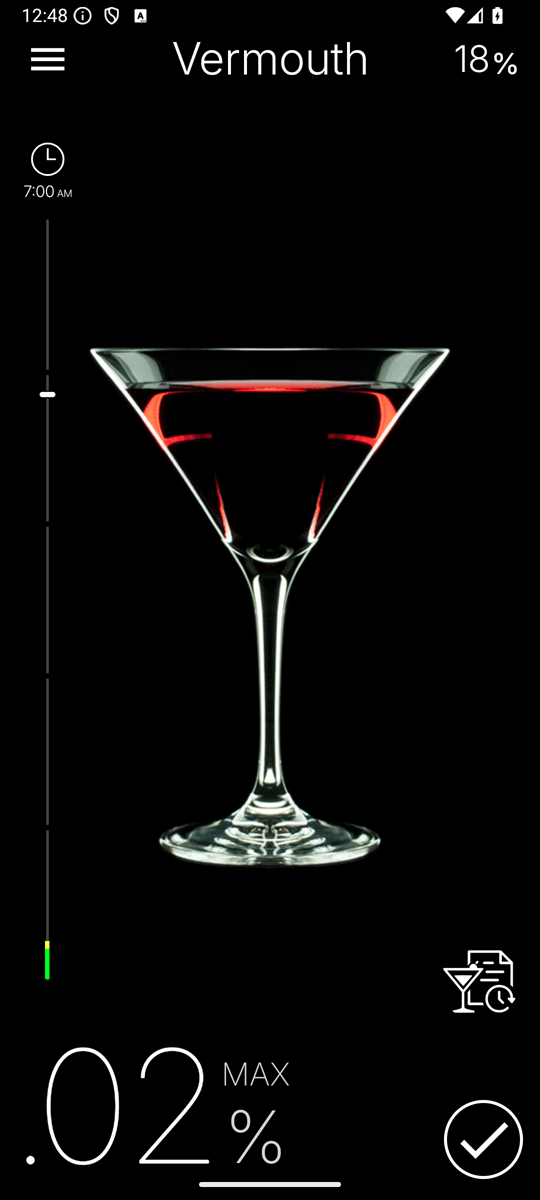
Set the time when you want to be back at zero. Cheers follows the estimated forecast and warns when another drink could move it beyond that point.
Popular shortcuts do not shorten metabolism
Coffee can wake you up. It will not reset the reading
Caffeine, a cold shower, a walk, a large breakfast or hard exercise can change how you feel, but they do not remove alcohol from the blood. Metabolism is handled mainly by liver enzymes, and there is no safe household method for speeding them up.
Coffee
Reduces sleepiness, but may increase false confidence.
Cold shower
Provides stimulation; it does not change the amount of ethanol in the blood.
A few hours of sleep
Provides time, but does not guarantee that there was enough of it.
A decision before leaving
In the morning, check not only the number but also how well you function
If you have a working, calibrated breathalyzer, take a measurement according to the device instructions. Repeat it after the interval specified by the manufacturer. Do not treat a single borderline reading as encouragement to drive — devices have a margin of error, and the result may still change.
Do not rely on how you feel
The sense of sobriety can return before full performance does.
Measure if you have a suitable device
Preserve the measurement conditions and check the unit shown on the display.
Leave a margin
Doubt, a hangover or a result near the limit are reasons not to drive.
The best decision is made the evening before
It is easier to protect the morning before the next drink than after it
If you need to drive, work at height, operate machinery or care for a child in the morning, decide in advance when drinking will end and arrange a safe alternative. A forecast can help reveal that the plan no longer fits into the night — before the pressure of the morning arrives.